
新媒體藝術 | 演算影音 | 混合實境 | 社會創新實踐 | 台北
李炳曄生於臺灣高雄,創作融合造形藝術、數位技術與生態反思,擅長探索演算技術於感知空間中的可能性,以及媒體考古在當代藝術實踐中的價值。目前任教於國立臺北教育大學藝術與造形設計學系、國立臺灣師範大學美術學系,致力於新媒體藝術、沉浸式體驗與社會創新實踐的創作與教學。
New media art | algorithmic audio-visual | mixed reality | social innovation practice | Taipei
Born in Kaohsiung City, Taiwan, Ping-Yeh Li (李炳曄) is a creator and researcher of new media art. His oeuvre features a mesmerizing fusion of plastic art, digital technology and ecological reflection. He is fond of exploring the possibilities of algorithms in the perceivable space and the value of media archaeology to artistic practices. He currently teaches in the Department of Arts and Design, NTUE, and Department of Fine Arts, NTNU, devoting himself to the creation and teaching of new media art, immersive experience, and social innovation practice.
Art Projects


創作自述
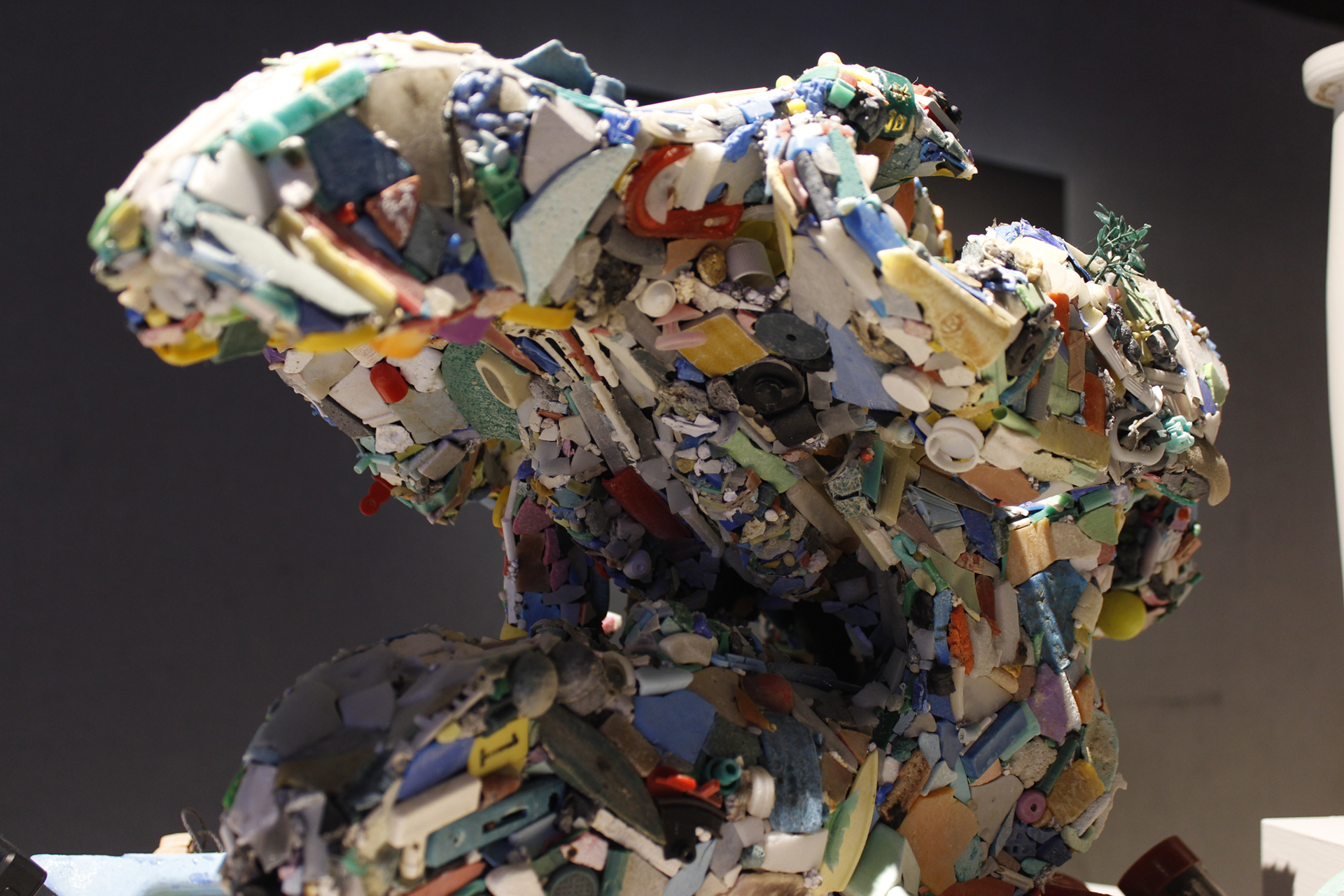
自2004至今,我的創作以「實踐導向研究」(Practice-based Research)的路徑展開:早期以城市作為心理地景,藉由手繪建立情動資料;2013–2017逐步將「新媒體」置於歷史脈絡中審視,整合「媒體考古學」(Media Archaeology)為創作研究方法;2017–2019轉向計算美學與生成感知系統,將時間/資料/演算法轉譯為可感知的空間,並檢視當代影像美學的演算條件;2020之後進一步聚焦「人類世」(Anthropocene)/「後數位」(Post-digital)的生態倫理與沉浸敘事,讓海廢現成物、生物化石與現地空間成為材料代理(Material Agency),與演算系統共同形塑觀眾體驗。我的創作在於實踐一種「未來的考古學」(Archaeology of the Future)-透過媒體考古、當代技術探索與批判性實作,挖掘人類經驗與技術的被遺忘譜系、以及脫離常規的可能。我意圖在實作中提出在後數位/人類世的困境下,生態、藝術、技術與演算系統如何能被重新想像、感知、創造與延伸。
Artist Statement
From 2004 to the present, my practice has developed through a trajectory of practice-based research. In its early phase, I approached the city as a psychological landscape, building an affective archive through hand-drawn works. From 2013 to 2017, I began to examine “new media” within its historical conditions, integrating media archaeology as a research methodology for artistic practice. Between 2017 and 2019, my focus shifted toward computational aesthetics and generative perceptual systems, translating time, data, and algorithms into perceivable spaces while interrogating the algorithmic conditions that shape contemporary image aesthetics. Since 2020, my work has further concentrated on the ecological ethics and immersive dramaturgies of the Anthropocene and the post-digital, positioning found marine debris, biological fossils, and site-specific environments as forms of material agency that co-shape audience experience together with computational systems.
My practice seeks to enact an “Archaeology of the Future.” Through media-archaeological inquiry, contemporary technological exploration, and critical making, I excavate forgotten lineages of human experience and technics, as well as possibilities that depart from normative trajectories. I intend, through practice, to propose how—amid the predicaments of the post-digital and the Anthropocene—ecology, art, technology, and algorithmic systems might be reimagined, perceived, created, and extended.